


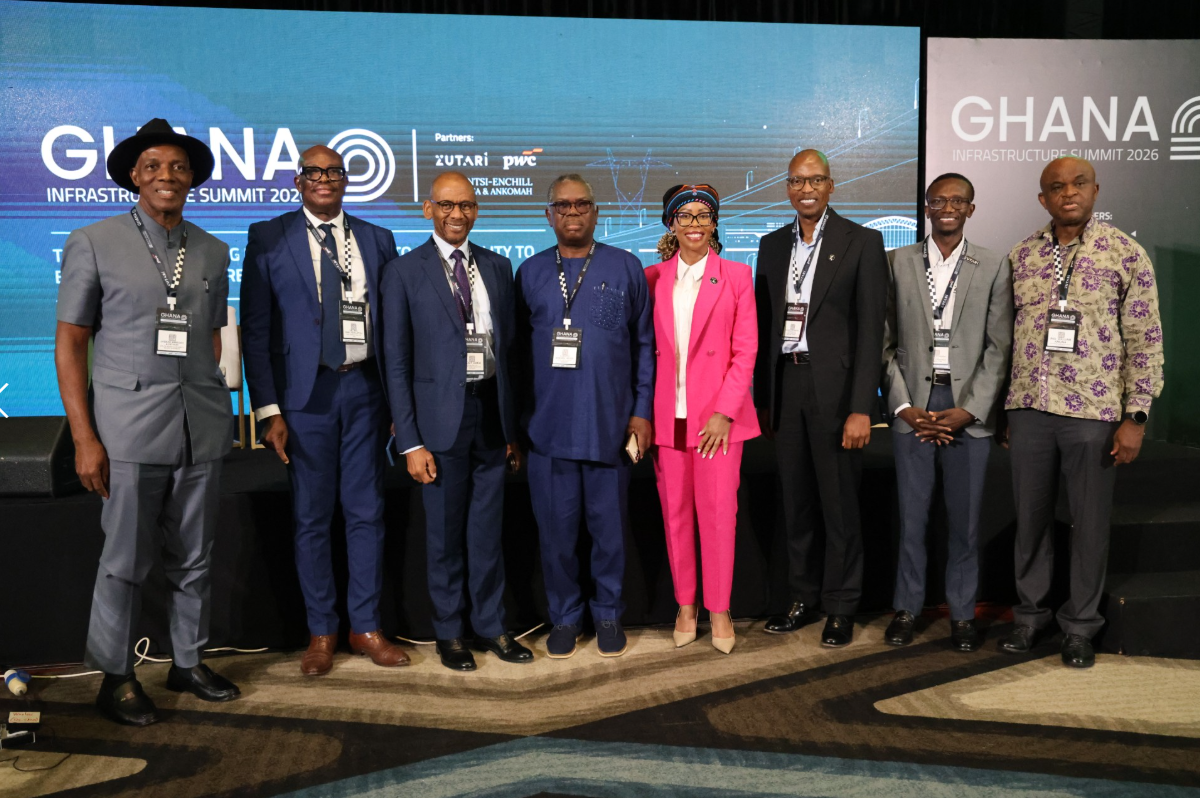

The inaugural Summit brought together those who shape Ghana’s infrastructure priorities, depend on it, finance it, and deliver it. Its purpose is to improve the decisions they make together.
A port can expand without the rail links it needs. A mine can be ready to grow while electricity falls behind. A sound project can stall when procurement or contracts fail.
These are failures of coordinated decision-making, not simply funding.
The inaugural Ghana Infrastructure Summit, convened on 22 October 2026 by Zutari in partnership with PwC Ghana and Bentsi-Enchill, Letsa & Ankomah (BELA), brought national planners, ministries, utilities, financiers and industry, including mining, property development and construction, into the discussion.
Opening the Summit, Zutari Group CEO Teddy Daka called for policy, capital, engineering, law and business to shape investment choices before commitments become costly to change. Zutari Africa CEO Tlhabeli Ralebitso offered a test extending to Ghana’s centenary in 2057: judge infrastructure by the businesses it enables, the time it saves, and the opportunities it creates, rather than by announced projects. His challenge: identify one project and one obstacle holding it back.
The National Development Planning Commission emphasised evidence-led priorities. The Ghana Infrastructure Investment Fund stressed alignment with development goals. The Ministry of Transport illustrated the point: ports, roads and rail must be planned as a single corridor, not isolated investments.
PwC’s Winfred King identified inadequate project preparation as a barrier to capital. Africa50 highlighted the distinction between wider economic value and a project’s financial returns: benefits may exceed direct revenues, but financing still needs credible cash flows and risk allocation.
Ghana need not start from scratch. Its PPP legislation provides for a Project Development Facility, while GIIF and FSD Africa launched a Green Project Preparation Facility in 2026. The opportunity is to make better use of these mechanisms to test demand, alternatives and risks before seeking construction finance.
A further discussion addressed the foundations of investor confidence. Dr.-Ing. Shelter Lotsu of SLB Consulting stressed credible procurement, the sanctity of contracts and national priorities that endure political transitions. BELA’s Elizabeth Ashun reinforced the importance of legal and institutional arrangements that work in practice.
Mining companies know the power, water and logistics needed to expand. Utilities understand network capacity; developers see where serviced land could unlock growth; banks test viability; contractors understand delivery realities. Together, they can change the sequence and economics of connected investments, not merely the financing of individual assets.
That is the Summit’s distinctive opportunity. Other forums showcase projects or introduce investors. This gathering can test whether proposed infrastructure serves real economic demand, works as a connected system, is financeable, and can be delivered under dependable arrangements.
The next Summit should return to specific obstacles and ask what changed: which projects were better prepared, which commitments became more dependable, and what moved towards productive use?
The first Summit brought the right perspectives together. The decisions will measure its lasting value, the improvements, and the opportunities unlocked because those perspectives met.

