Ethanol from Industrial Waste Gas, South Africa

Transforming industrial emissions into clean energy.

Client

Swayana (Pty) Ltd

Project date

Appointed in 2016

Swayana (Pty) Ltd is a green chemicals and biofuels company based in South Africa. Established in 2016, its flagship project focuses on producing industrial-grade ethanol from furnace off-gas generated by the Samancor Middelburg Ferrochrome (MFC) smelter. This is achieved through a microbial fermentation process developed by the American firm LanzaTech.

The opportunity

The project aimed to convert industrial waste gas into a valuable, sustainable energy product. By using genetically engineered microbes to produce ethanol suitable for use as a fuel additive, the initiative sought to demonstrate that waste-to-energy technologies can both reduce emissions and create economic value.

What we did

Zutari was appointed to complete the bankable feasibility study (BFS) for the process, which involved converting furnace off-gas into export-quality ethanol. The plant includes several major medium-voltage (MV) loads such as a bioreactor, compressors, a distillation plant, a cooling water system, and additional low-voltage (LV) loads.

The MV process loads are rated at 6.6 kV, with pumps up to 800 kW and a total load of 1 MVA. The 6.6 kV substation includes two 16 MVA 22/6.6 kV transformers and 44 panels operating at 6.6 kV.

Zutari provided an approximate 15% capital expenditure (CAPEX) and operational expenditure (OPEX) estimate to support the client’s financial close. This included logistics, equipment selection trade-off studies, and biomass by-product analyses.

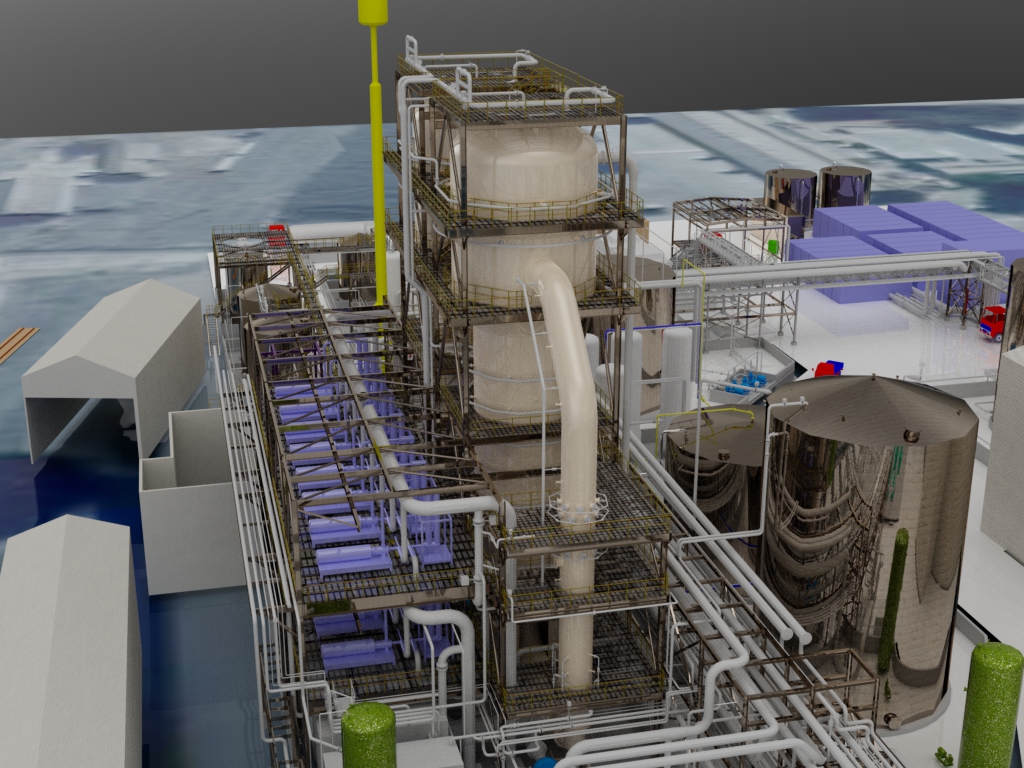
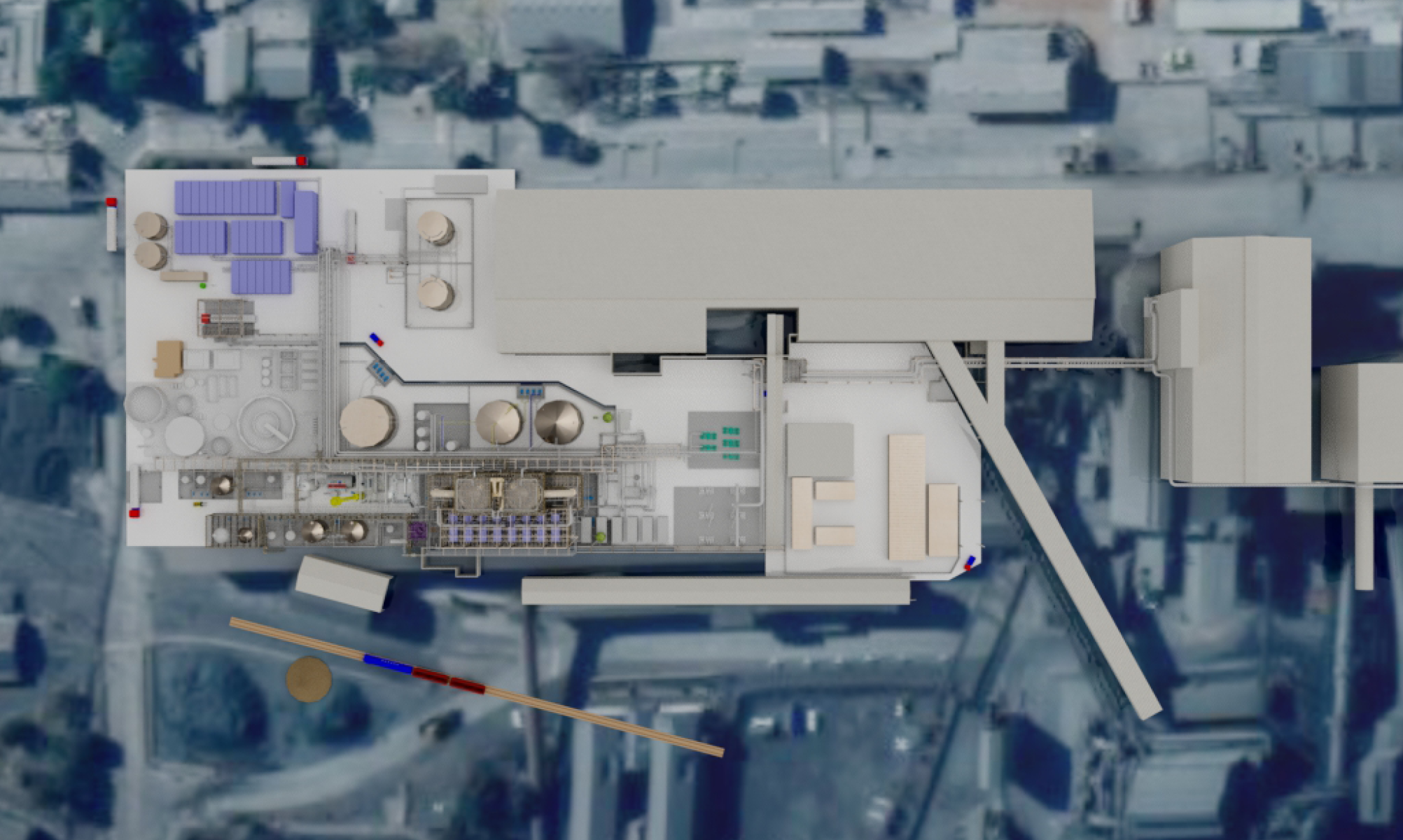
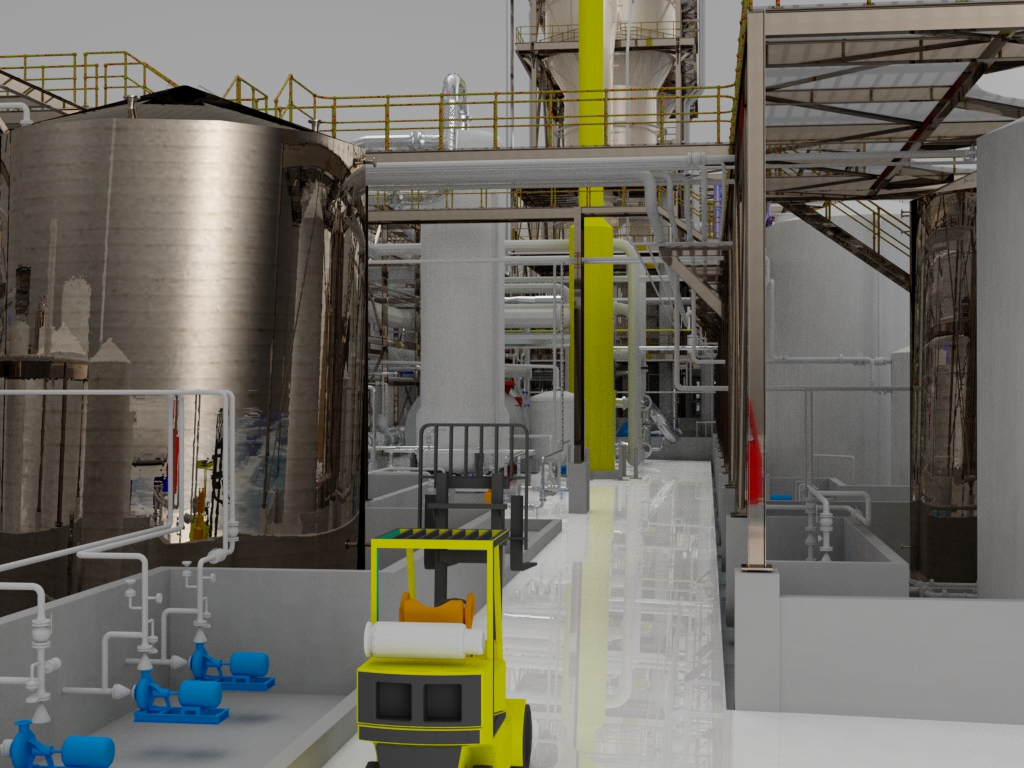
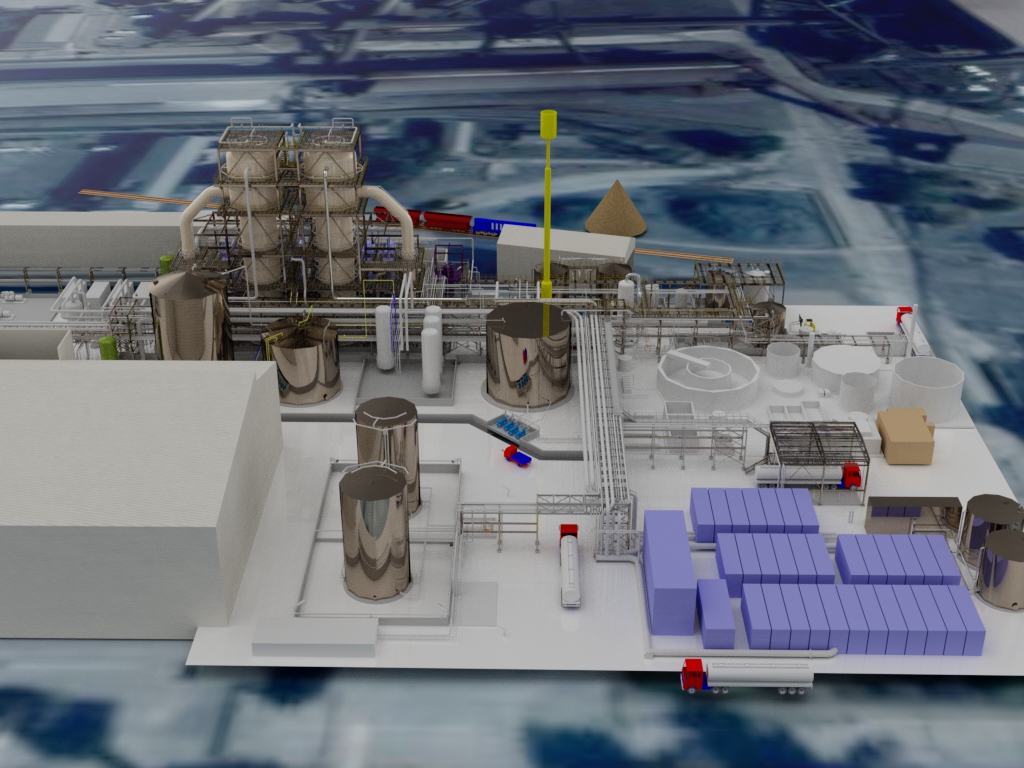
In addition, Zutari was responsible for mechanical, civil, structural, and electrical engineering, as well as control and instrumentation (C&I). The design team conducted a mechanical assessment of the bioreactor fabrication and installation, developed a 3D model, undertook geotechnical investigations, and produced a comprehensive capital and operational cost estimate. Trade-off studies between various technical options were conducted, and the distillation and dehydration package was optimised.
Zutari’s integrated team designed and optimised every engineering package to a bankable feasibility level.

The outcome

The project marks the first time in Africa that smelter exhaust gas has been successfully converted into industrial-grade ethanol through a biological process. The outcome highlights the potential for sustainable industrial innovation that aligns with global clean energy goals.

Delivering this project required close collaboration between Zutari’s Cape Town, Tshwane, and Johannesburg offices. Strong oversight, efficient communication, and the use of advanced digital tools ensured consistency across disciplines. The result is a pioneering example of how multidisciplinary teamwork can deliver world-first sustainability achievements in the petrochemical industry.

Despite tight deadlines and constraints, the team collaborated and supported each other. Converting smelter exhaust gas into industrial ethanol biologically was groundbreaking, with this project being the first of its kind in Africa.

Related projects

Co-creating globally impactful projects that drive sustainable growth and reframe what’s possible.