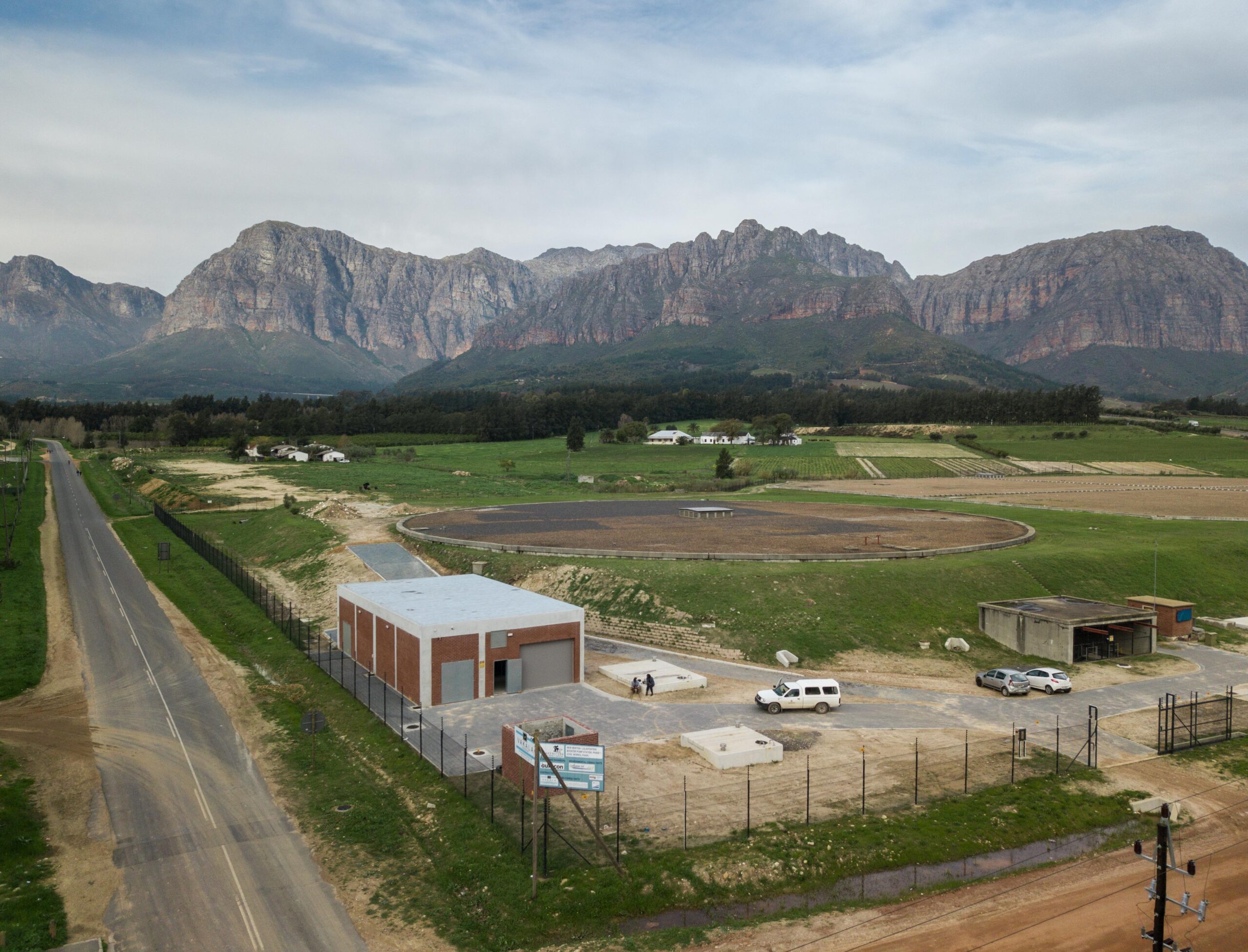
Leliefontein Pump-As-Turbine Station, South Africa
Designing and building a first-of-its-kind pump turbine station in South Africa.
Client
Drakenstein Municipality
Project date
2015
In 2015, the Drakenstein Municipality appointed Zutari to lead the Leliefontein Pump Station Project. The primary goal was to increase the supply of potable water to Wellington from 30 Mℓ/day to 60 Mℓ/day in the future. Recognising the site’s hydropower potential, Zutari designed a pioneering pump-as-turbine (PAT) station capable of both pumping water and generating electricity using the same set of pumps.
The opportunity
The pump station was only required for two weeks each year, raising concerns about under-utilisation and premature equipment failure. This challenge presented an opportunity to innovate by converting the station into a dual-purpose facility that could generate electricity during idle periods, thereby improving efficiency and sustainability.
What we did
Zutari’s multidisciplinary team delivered a unique engineering solution:
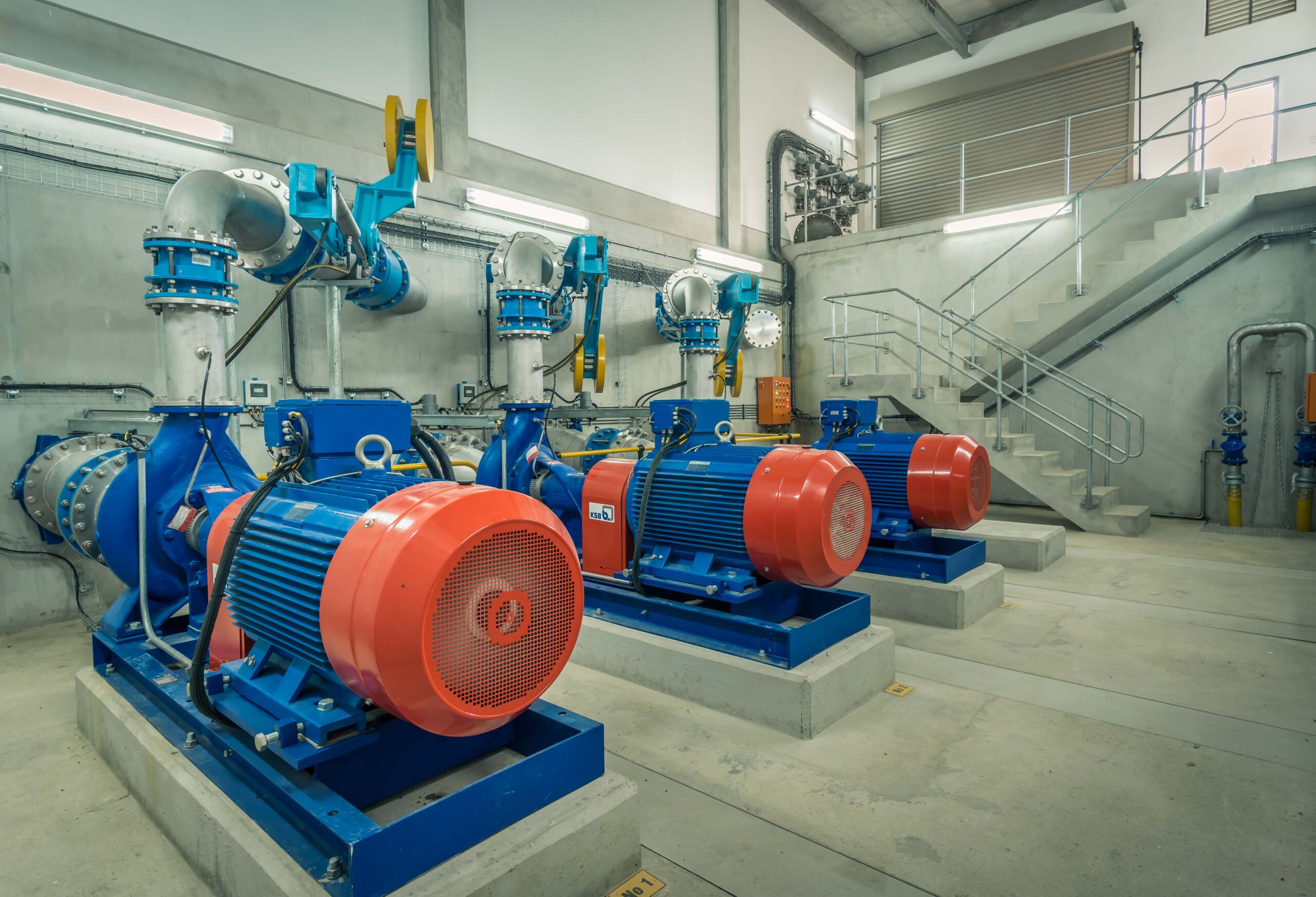
Dual-Function Design: Engineered a station where centrifugal pumps could reverse flow to act as turbines, generating electricity.
Cost-Effective Conversion: Designed the station for pumping, then modified it for generation with minimal additional cost.
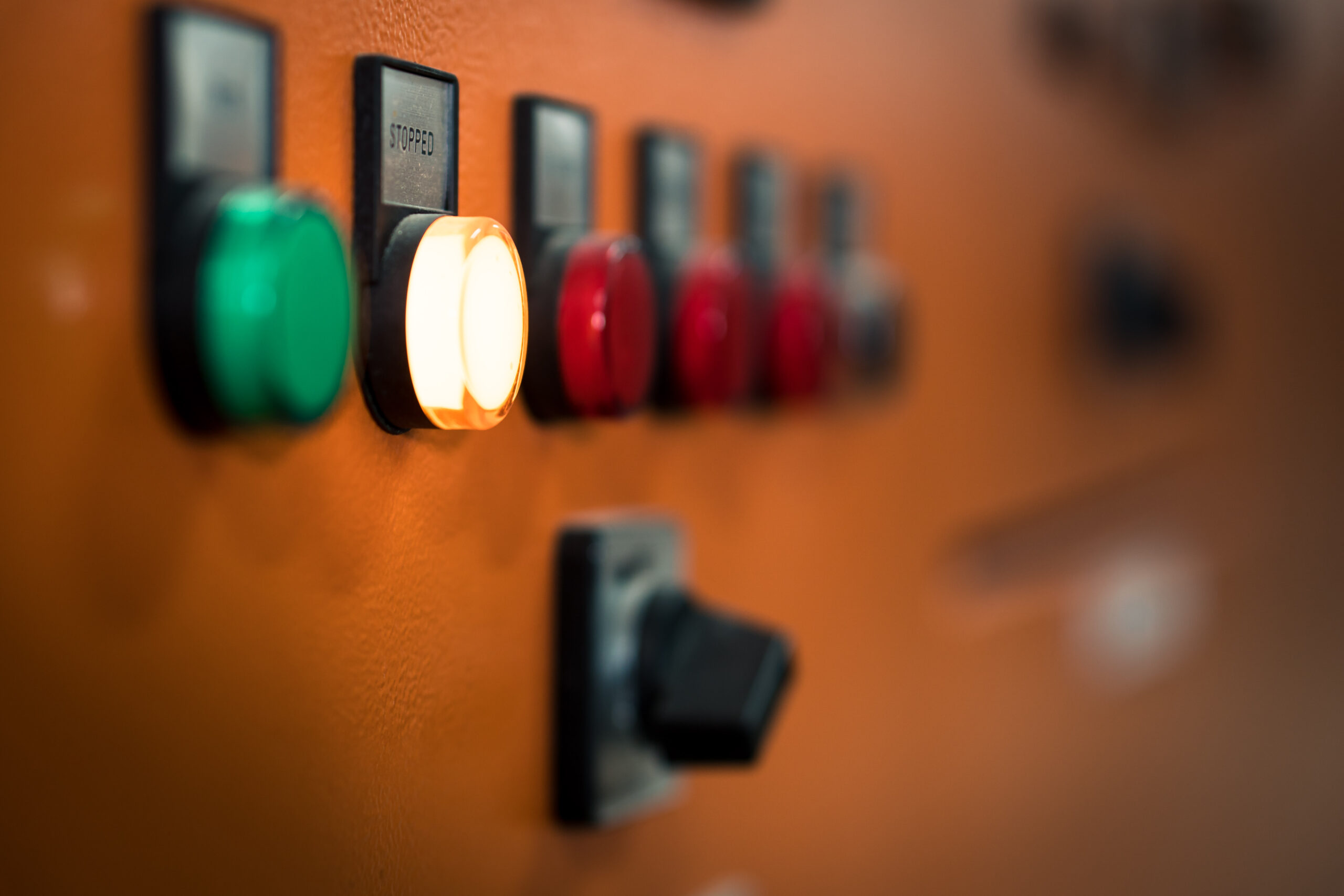
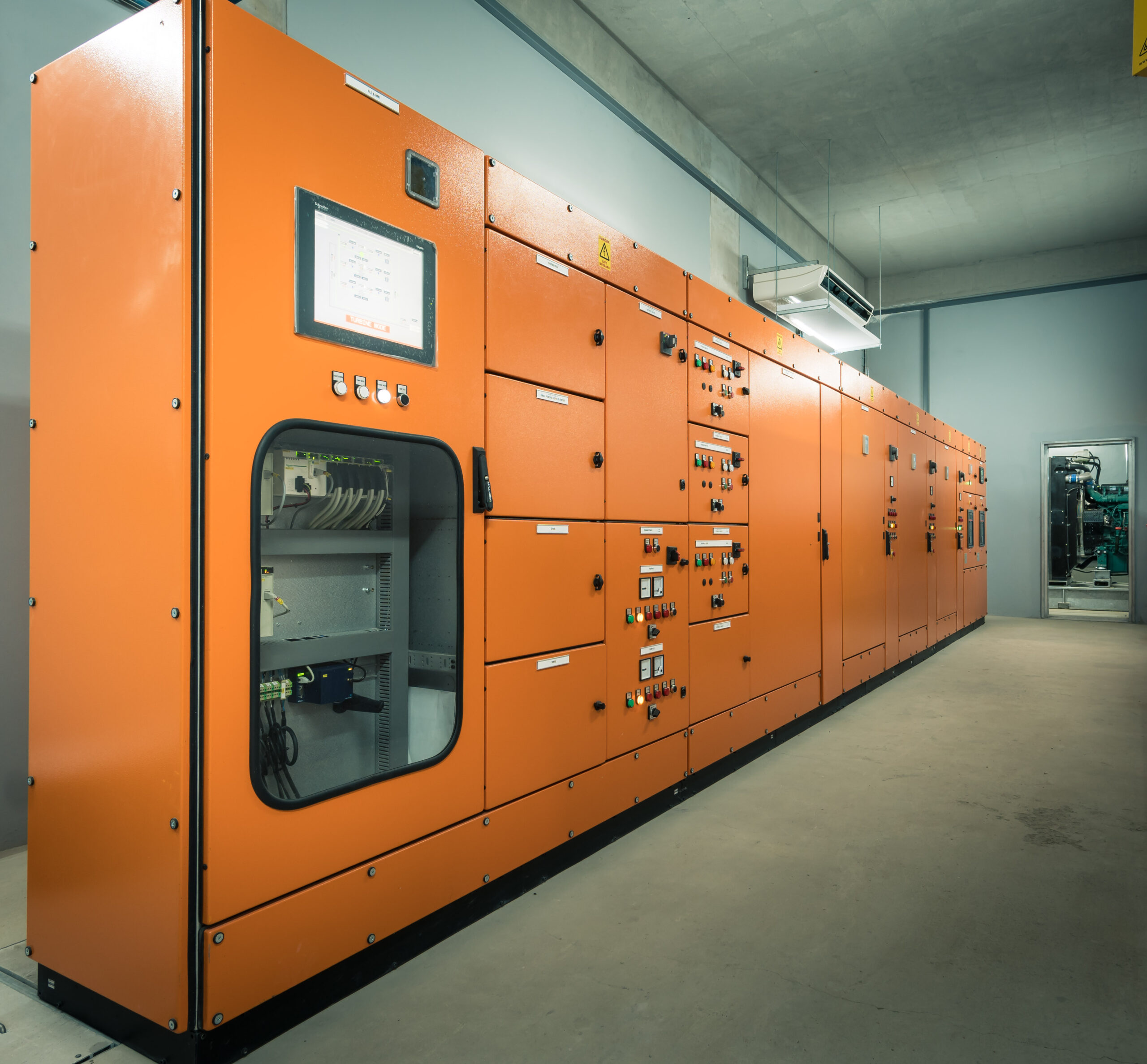
Electrical Control Innovation: Used active front-end variable speed drives to reduce pump speed, enabling power generation at available hydropower potential.
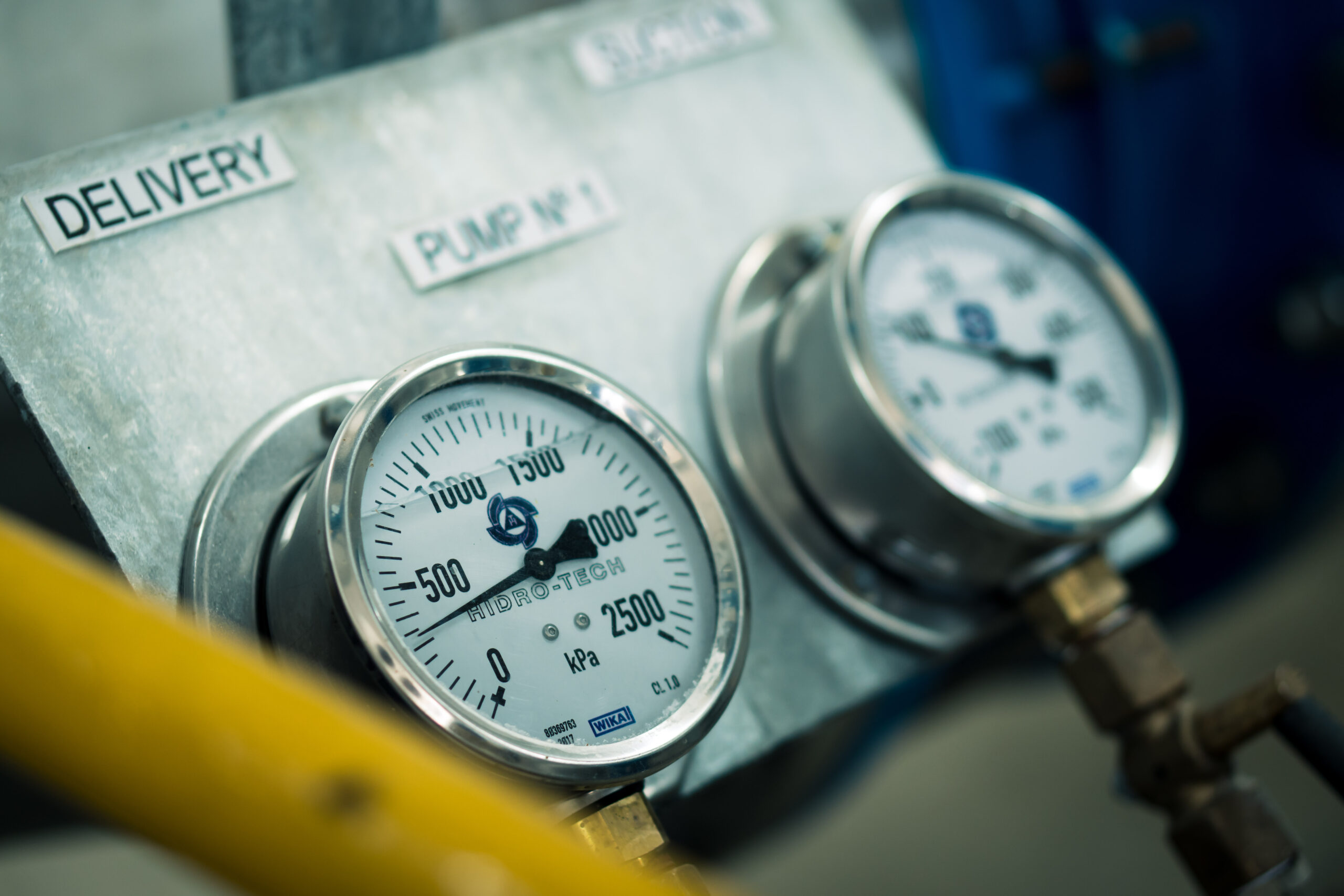
Mechanical Integration: Installed actuated valves and custom pipework to facilitate seamless switching between pumping and generation modes.
Grid Integration: Ensured that generated power could be fed back into the municipal grid, offsetting energy costs.
The Leliefontein station uses centrifugal pumps to both pump water and generate electricity, reducing costs and environmental impact.
The outcome
The PAT station generates an estimated 320 MWh annually, equivalent to 44 days of free pumping. The R3 million conversion cost was a fraction of the R30 million contract value. The project reduces the municipality’s reliance on grid electricity, lowers environmental impact, and enables reinvestment of savings into community services.
The Leliefontein Pump-As-Turbine Station exemplifies innovation in municipal infrastructure. Zutari’s solution not only meets water supply needs but also contributes to renewable energy generation, setting a precedent for future-ready, cost-effective engineering in South Africa.
“Leliefontein is a true marriage between the civil, mechanical, and electrical engineering disciplines, and serves as an example of how municipalities can use low-cost, off-the-shelf equipment to generate clean power.”
Jacobus Kriegler
Technical Director: Water
Related
projects
Co-creating globally impactful projects that drive sustainable growth and reframe what’s possible.