


Empowering Communities Through Their Strengths
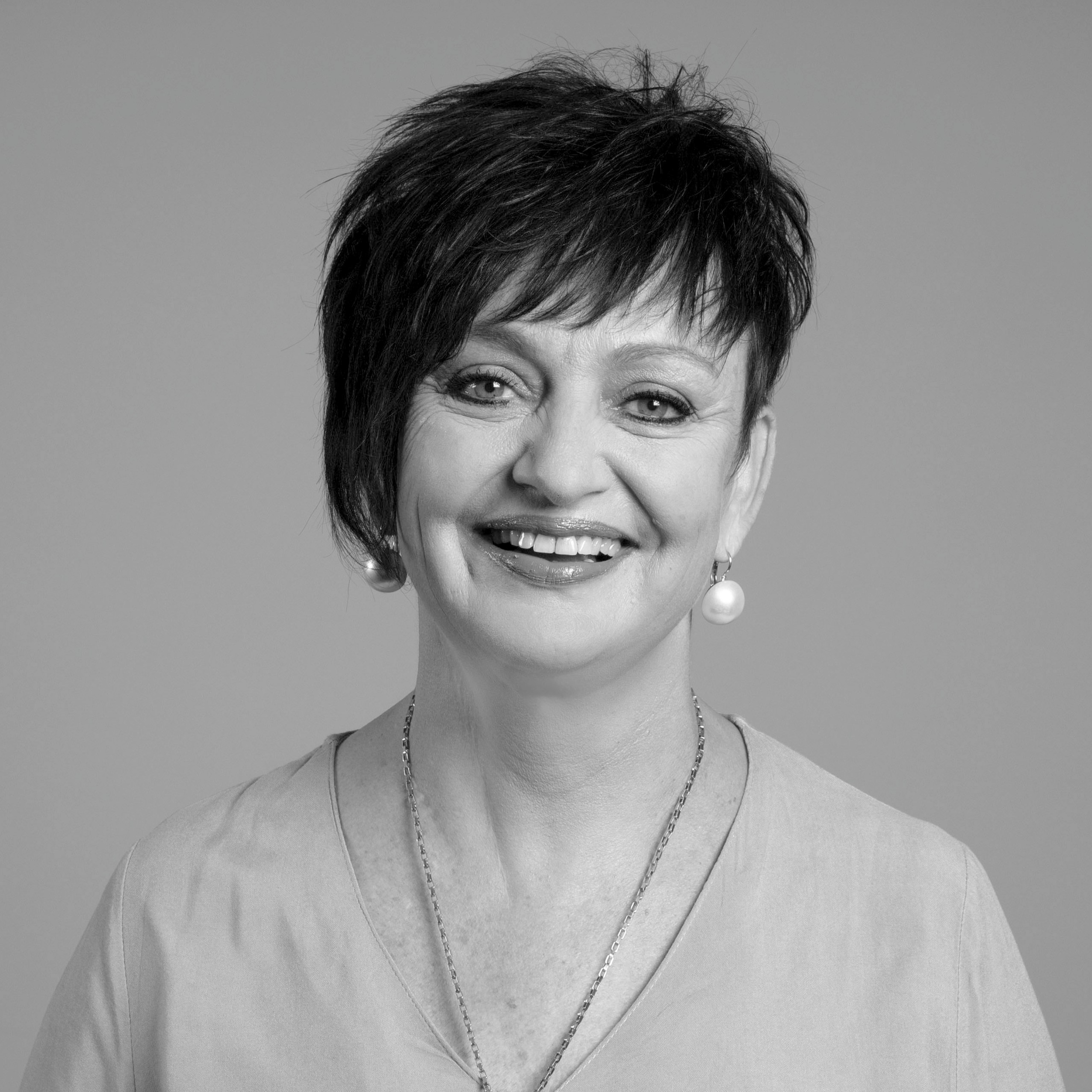
Zutari Namibia recently hosted a thought-provoking webinar presented by Amelia Visagie, Associate Design Director: Social Sustainability. The webinar focused on the transformative potential of the Asset-Based Community Development (ABCD) framework.
The session offered valuable insight into how communities can identify and leverage their inherent strengths to achieve sustainable development, reflecting Zutari’s broader purpose of co-creating impact through collaboration and human-centred design.
From Needs-Based to Strengths-Based Development
The ABCD framework represents a paradigm shift in community development, moving from a needs–based approach to one that celebrates and builds upon existing assets.
“Every community holds hidden gold, its people, their skills, and their collective knowledge,” Amelia explained.
Rather than focusing on what communities lack, ABCD encourages the discovery of local talents, skills, and networks that can be mobilised to create meaningful change. This strengths-based model fosters ownership, empowerment, and resilience, enabling communities to become active participants in their own growth.
Lessons from Lusikisiki: The Power of ABCD in Action
Amelia shared inspiring examples from projects where ABCD principles have driven tangible transformation, notably in Lusikisiki, Eastern Cape.
These projects identified and nurtured existing community assets, from skills and cultural practices to local institutions, and demonstrated how shifting perspectives from deficiencies to possibilities can unlock remarkable outcomes.
This approach not only builds confidence and capability but also strengthens social bonds and encourages self-reliance. Communities begin to see themselves as agents of change, capable of shaping their futures with the resources they already possess.
A Participatory Approach to Sustainable Development
At the heart of ABCD lies its interactive and participatory process. The framework engages community members through inclusive activities that promote dialogue, collaboration, and shared decision-making.
By giving communities the tools and authority to influence their development, ABCD nurtures a bottom-up approach in which initiatives are contextually relevant and widely supported.
Amelia emphasised the importance of recognising not only physical assets such as land or infrastructure but also intangible assets, social networks, traditions, and local leadership, which are vital for sustainable community growth.
Building Sustainable, Empowered Communities
The webinar reinforced the potential of ABCD to create sustainable and resilient communities. Its core message is simple yet powerful:
“Start where you are, use what you have, and do what you can.”
As Zutari continues to champion ABCD, the firm remains committed to helping communities realise their potential by building from their strengths and fostering long-term, inclusive development.
Through frameworks like ABCD, Zutari demonstrates that sustainability begins with people and that the most profound transformation happens when communities are empowered to lead their own journey of change.
Watch the recorded webinar below.

